UPDATE | Tues., Aug. 27 9 a.m. | SPP projects grid conditions will be better today and expects further improvement tomorrow and through the remainder of the week. SPP remains under a conservative operations advisory through 8 p.m. this evening. We will provide further updates if conditions change.
UPDATE | Mon., Aug. 26 3:45 p.m. | Due to improved system conditions across the SPP balancing authority, SPP is ending the Energy Emergency Alert (EEA1) but remains under a conservative operations advisory through 8 p.m. tomorrow.
Mon., Aug. 26 12:50 p.m. | The Southwest Power Pool (SPP) issued an Energy Emergency Alert Level 1 (EEA1) indicating the current grid conditions could lead to an energy deficiency. At this time, SPP is not asking consumers to conserve energy.
SPP and Sunflower will continue to monitor the situation, and we will continue to provide updates as soon as they are available.
What Are Energy Emergency Alerts?
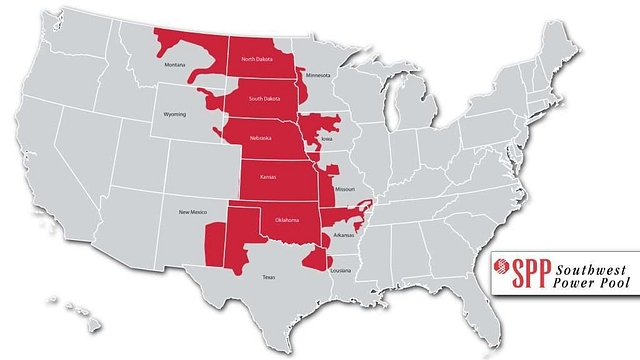
SPP is a regional transmission organization and the regulatory authority mandated by the Federal Energy Regulatory Commission to oversee the regional electric grid and coordinate electric reliability. SPP works with generation and transmission utilities, including Sunflower, to ensure reliable supplies of power, adequate transmission infrastructure and competitive wholesale electricity prices across 14 states.
SPP is responsible for declaring and communicating the existence of an energy emergency related to capacity within its region as necessary to manage, alleviate, or end an energy emergency. When electric supply provided by all available power generation resources becomes insufficient to meet consumer demand, SPP issues formal alerts based on the SPP Energy Emergency Alert Level system.
- Energy Emergency Alert Level 1 (EEA1) – An EEA1 is declared when conditions exist that could lead to an energy deficiency. All available power generation resources are committed to meet the demand for electricity, and SPP is at risk of not meeting required operating reserves. Typically, an EE1 does not elicit an appeal for energy conservation, but the weather forecast sometimes leads SPP to preemptively ask electric utilities to issue appeals for energy conservation with the goal of averting planned electric interruptions.
- Energy Emergency Alert Level 2 (EEA2) - An EEA2 signals SPP is no longer capable of meeting its energy and reserve requirements and is now energy deficient. A public appeal for energy conservation is issued with an EEA2. The goal of this action is to reduce the overall system energy demand and keep it below region-wide total power generating capability.
- Energy Emergency Alert Level 3 (EEA3) - An EEA3 is triggered when the region is energy deficient and SPP is operating with reserves below the required minimum. SPP mandates all electric transmission operators, including Sunflower, to interrupt electricity service by implementing controlled electric service interruptions. These interruptions are a safety protocol to prevent the collapse of the regional electric grid when the demand for electricity exceeds supply and are used as a last resort to safeguard grid reliability.
What prompts SPP to issue an energy emergency?
The declaration of an EEA can be caused by multiple factors and conditions, typically resulting from extreme weather conditions that are widespread and long-lasting. These conditions (e.g., heat waves or cold snaps) can lead to high electricity use across large sections of the SPP system, as well as inadequate generation supply, transmission constraints, and fuel supply issues
Our wholesale power supplier, Sunflower Electric Power Corporation, has a diverse generation resource portfolio with multiple power generation facilities in western Kansas, but Sunflower, like other generation operators in SPP, can experience fuel-supply problems and other issues during extreme weather conditions. Extreme hot temperatures can lead to a very high consumer demand for electricity, primarily for the energy to run air conditioning and cooling equipment. This strains power generation equipment. Also, because wind generation is often lowest during the summer, there is a greater reliance on other types of generation to serve summer loads (e.g., natural gas, coal, solar). If generation outages occur during periods of high electric demand and low wind, the balance between energy supply and demand can quickly get tight.
When SPP can no longer meet its energy and reserve requirements and conditions exist that could lead to an energy deficiency, they declare an EEA2 and coordinate with Sunflower and other generation utilities in the SPP region to issue a public appeal for energy conservation. The goal of this action is to reduce the overall system energy demand and keep it below region-wide total power generating capability. EEAs are not targeted to specific cities, counties, or states. When SPP issues an EEA for energy conservation or curtailment, it applies to all consumers and electric utilities all across the SPP’s 14-state region.
When the SPP region becomes energy deficient to the point SPP can no longer meet minimum energy requirements to serve the energy being demanded, SPP declares an EEA3. When this occurs, SPP mandates all electric transmission operators, including Sunflower, to interrupt electricity service within minutes by implementing temporary, controlled service interruptions (rolling blackouts) to restore the proper balance between energy supply and demand. Typically, this does not allow the local distribution co-op enough time to alert members in advance or accurately predict exactly where and when each controlled interruption will happen. Controlled service interruptions are designed to rotate and be short as short as possible without compromising the system.
Will this affect electric bills?
An extreme weather event requiring SPP to issue energy emergency alerts and mandate the implementation of controlled power interruptions has the potential to affect the wholesale cost of power, but each event is unique with too many variables impacting the cost of fuel and power generation to preemptively or accurately predict how it will affect consumer electric bills.
How can I help?
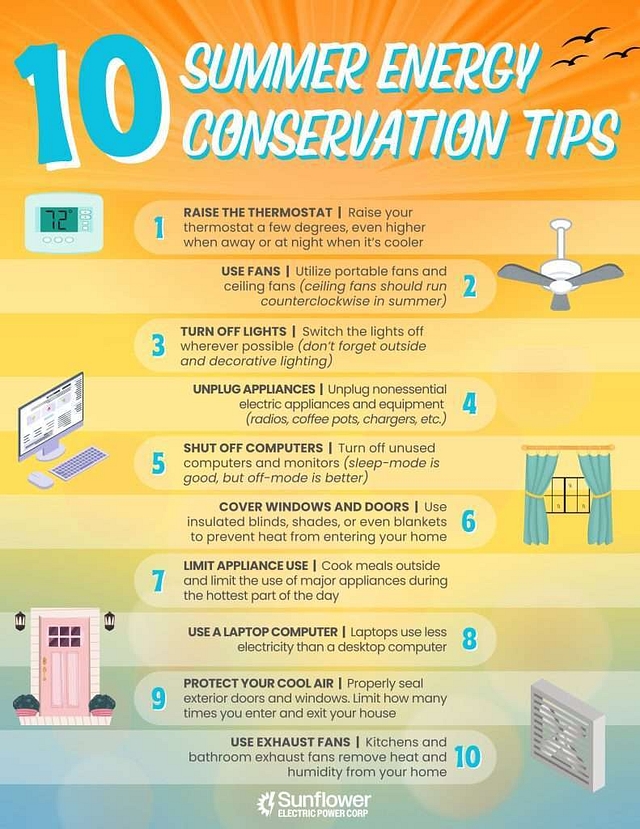
Conserving energy at home is an easy way for consumers to meaningly help improve grid conditions in during the intense summer heat.